


Pianista
3.61.13K Reviews
App Specs
- Version
- 2.4.5
- Updated On
- License
- Free
- Downloads
- 1,000,000+
- Developer
- PianistaCompany
- Categories
- Music
- Platform
- Android, iOS
Screenshots
 Analysis by AppCompare
If you’re anything like me, you’ve probably spent countless hours tapping away on your phone, looking for that perfect app to kill time while actually learning something new. That’s where Pianista comes into play. It’s a music game app that’s all about rhythm, timing, and yes, a bit of creativity. Let’s dive into what makes this app a standout choice for both music lovers and casual gamers alike.
Who gets the most from a rhythm game
I’d point this game toward someone who enjoys listening closely to music and wants their phone time to feel a little more active than simply playing a playlist. Its appeal is narrower than a general music app: you’re responding to notes and timing rather than choosing songs and letting them run. That makes it a good fit for short breaks when I want a focused challenge, but less suitable when I’m trying to relax without paying attention to the screen.
It also works best for people who are curious about classical music but don’t necessarily want a formal lesson. Tapping along can make phrasing and changes in pace easier to notice, though I wouldn’t treat a rhythm game as a substitute for piano practice. If your goal is to learn to read sheet music, develop hand technique, or play an instrument away from the phone, a dedicated teaching tool or real lessons will serve you better.
Making a session feel fair
A practical tip is to begin at a comfortable difficulty instead of choosing the hardest option just to test yourself. Early misses can come from getting used to the visual approach as much as from having a poor sense of rhythm. I find it more useful to repeat a track and notice whether the same passage causes trouble, then raise the challenge when the timing feels manageable. That gives the feedback a purpose instead of turning every session into a score chase.
For a more consistent attempt, play somewhere quiet and keep the phone steady. That is especially helpful when a track becomes busier: you can give your attention to the falling notes without fighting movement or nearby distractions. Headphones can make it easier to focus on the music in a shared space, while playing aloud is more convenient if you want someone nearby to hear what you’re doing. Either way, the game asks for attention, so it is not my pick for playing while walking or multitasking.
The familiar rhythm-game format also has a trade-off. It gives you a clear task and immediate feedback, but the notes on screen can pull your eyes away from the sound. When I want to listen deeply, I’d rather play music without a visual challenge; when I want to test timing, the game format has a point. Keeping those two moods separate makes the experience more satisfying.
Getting Into the Groove
When you first open Pianista, you're greeted with a sleek and elegant interface that immediately sets the tone (pun intended) for the experience you’re about to have. The app doesn’t bombard you with unnecessary clutter. Instead, it focuses on what’s important: the music.
Worth Reading Before You Choose

EA SPORTS FC Mobile 26 Is a Bigger Football Game, but It Takes Time

Flipboard Shows What News Apps Must Do Beyond the Feed

Switching to Android Auto Means Rethinking Your Driving Routine

Google Calendar Makes a Crowded Week Easier to Manage

Ludo King Makes the Most of the Minutes Between Plans

Baby Panda World Brings Quick Play to Modern Phones, but Its Game Library Feels Busy
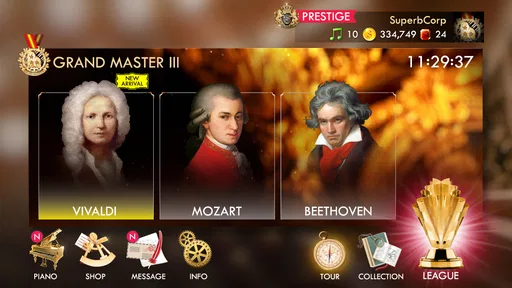
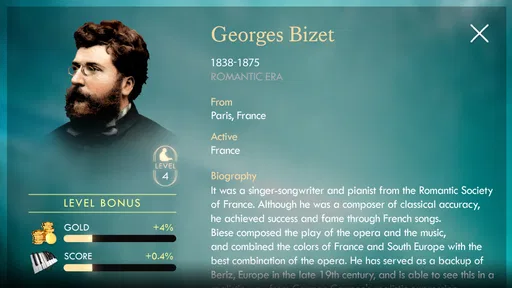
One of the things I loved right off the bat is the variety of music available. You’re not just stuck with the same old tunes; the app offers a wide range of classical music tracks from composers like Beethoven, Chopin, and Mozart. Whether you’re a classical music aficionado or just dipping your toes into this genre, there’s something here for everyone.
Gameplay Mechanics
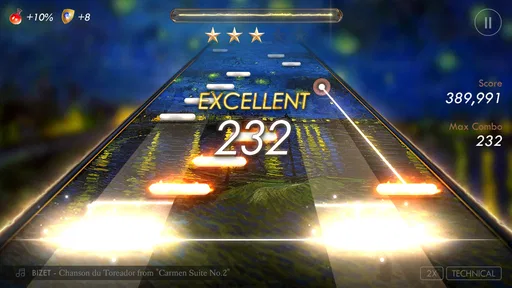
Now, let’s talk about gameplay. The mechanics are intuitive yet challenging enough to keep you engaged. You tap on the notes as they fall towards the screen, matching the rhythm and timing of the music. It sounds simple, but as the tempo picks up, you’ll find yourself fully immersed, fingers dancing across your screen in a frenzy of coordination. It’s almost like playing a real piano!
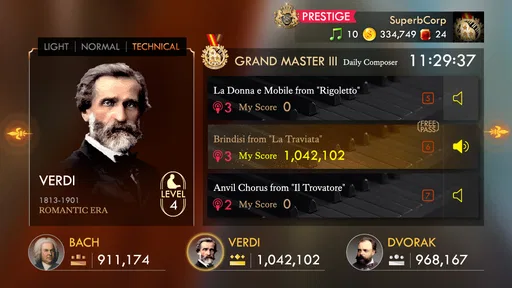
What’s cool is the difficulty levels. Whether you’re a beginner or a seasoned pro, you can find a level that suits your skill. As you progress, you’ll unlock more challenging tracks, pushing your limits and improving your rhythm skills. Plus, the app’s feedback system helps you improve by showing you where you missed notes or went off beat.
Speed, focus, and demanding moments
For speed, I’d set expectations around the kind of game this is rather than promise instant responsiveness on every phone. The screen is uncluttered, and the basic action is easy to understand, so there isn’t much to learn before starting a session. The demanding part is keeping taps aligned as a passage gets faster. That distinction matters: a player may understand the controls quickly while still needing practice to keep a clean run.
Busy sections are where I’d pay attention to the phone’s position and my own focus. A small shift in grip or a notification can break concentration at the worst moment, so I’d silence distractions and settle the device on a stable surface if I wanted to chase a better result. That’s a simple, low-effort way to make a session feel more controlled without assuming anything about the phone’s processing power or the game’s settings.
For an everyday example, I’d use it during a train ride only if I had a seat and could look at the screen comfortably. A short session can turn waiting time into a timing challenge, but a crowded commute, a bumpy ride, or a quick stop between errands is a poor setting for precise taps. In those situations, a playlist is the easier choice because it doesn’t demand visual attention or a steady hand.
Visuals and Sound Quality
Let’s talk about the visuals and sound quality, because, honestly, they’re a huge part of why this app is so captivating. The graphics are crisp and minimalistic, never distracting from the main event: the music. And the sound quality? Simply put, it’s top-notch. You get a real sense of each note, each crescendo, making the experience as close to playing a real piano as possible on a mobile device.
Moreover, the app’s customization options allow you to set the sound settings to your preference. Whether you want a more pronounced bass or a softer treble, Pianista lets you tweak it to your liking. It’s these little touches that make it feel like a personalized experience.
Stability and sensible expectations
I’d judge reliability by how consistently a session lets me focus on the music, not by assuming that every device behaves the same way. If something interrupts a run, I’d restart with a calmer track or lower difficulty rather than immediately treating one missed sequence as a wider problem. The game’s feedback is most useful when I can compare attempts under similar conditions, so changing several things at once makes it harder to tell whether I’m improving.
It’s also worth keeping expectations realistic about recovery. A rhythm game is unforgiving when attention slips because the music keeps moving while you react. If you need to pause often, or you’re using a device that is already busy with other tasks, this may not be the most comfortable game for that moment. I’d close distractions and begin a fresh run when I can give it a little uninterrupted attention.
Social Features and Community
One of the aspects that surprised me was the community features. You can compete against other players in real-time, which adds a layer of competitiveness that’s both exciting and motivating. The leaderboard system is a nice touch, giving you that extra push to improve your skills and climb the ranks. Who doesn’t love a bit of friendly competition?
You can also connect with friends and share your achievements or even challenge them to beat your high scores. It adds a social element that’s missing from many other music apps, and it keeps you coming back for more.
For me, the social side is best treated as an optional reason to replay, not the main measure of whether a session went well. A leaderboard can make progress visible, but comparing scores is only useful if you still enjoy the music and the challenge itself. If competition makes you rush into difficulty that feels frustrating, stepping back to a track you can play confidently is a better way to keep the game enjoyable.
Compared with the usual alternatives, this sits between a music player and a piano-learning app. A player is better when I want background listening, and a lesson-focused app is better when I want structured instruction. A conventional arcade rhythm game may suit someone looking for a different musical style, while this one’s classical selection is its distinguishing draw. The right choice depends on whether I want to listen, learn technique, or actively follow a rhythm challenge.
Device fit, access, and cost
The game is free to download, with optional in-app purchases priced from under a dollar to just under ninety dollars per item. I’d start without buying anything and first decide whether the tapping loop, music selection, and level of challenge suit me. That gives a newcomer a sensible way to judge the core experience before spending. Because purchases can vary in cost, I’d also check carefully before confirming any transaction, especially if someone else uses the phone.
It’s rated for everyone and comes from PianistaCompany. The current version is 2.4.5, and it runs on operating systems from version 9 onward. The game has been available since July 5, 2017, and has passed one million installs. Its average is 3.6 from around twenty-five thousand ratings, alongside roughly eleven hundred written reviews. I read that middling average as a cue to think about fit: rhythm games can be satisfying for players who enjoy repetition and precision, but frustrating for anyone who expects a passive or forgiving music experience.
Resource demands are difficult to judge from a single description of the game, so I wouldn’t assume that every older phone will feel equally smooth. On a device that already struggles with other games, I’d keep expectations modest and try a short session before settling in for a longer one. If the screen feels cramped or tapping accurately is uncomfortable, a larger phone or tablet may be a better physical fit, provided it meets the operating-system requirement.
The music-game category also creates a practical question: does this suit a child or a shared family device? The everyone age rating makes it broadly accessible, but I’d still supervise purchases and check that the tapping challenge is comfortable for the person playing. The game’s appeal depends on timing and attention, so it may be more enjoyable for someone who likes repeating a passage to improve than for someone who wants every attempt to feel effortless.
Final Thoughts
So, is Pianista worth your time? In my opinion, absolutely. It’s a beautifully designed app that offers a satisfying blend of entertainment and education. Whether you’re looking to enhance your musical skills or simply enjoy some high-quality tunes, this app has got you covered.
It’s easy to get started, and the variety of music, coupled with the engaging gameplay, ensures you’ll stay hooked. So, if you’re ready to tap into your inner maestro, give Pianista a try. Who knows, you might just discover a new passion for classical music!
My recommendation is strongest for someone who wants classical pieces to become an active, repeatable challenge rather than background sound. I’d skip it if I wanted formal piano instruction, a hands-off listening session, or a game that never punishes a lapse in concentration. For anyone in between, the free starting point makes it easy to see whether its mix of music and precision clicks before deciding how much time or money to put into it.
Pros
- Wide variety of classical music tracks.
- Intuitive and responsive touch controls.
- Engaging visuals and sound effects.
- Regular updates with new content.
- Competitive leaderboard to challenge friends.
Cons
- In-app purchases can get expensive.
- Occasional lag on older devices.
- Limited offline play mode availability.
- Ads can interrupt gameplay flow.
- High difficulty curve for beginners.
FAQs for Pianista
What is Pianista and what can I expect from it?
Pianista is a rhythm-based game available on Android and iOS where players can enjoy a wide selection of classical music tracks. The game challenges you to hit notes in time with the music, offering both casual and competitive modes. Expect an engaging musical experience with stunning visuals and a variety of difficulty levels.
Is Pianista suitable for beginners in rhythm games?
Yes, Pianista is designed to cater to both beginners and advanced players. It features multiple difficulty levels, allowing new players to start with easier tracks and gradually work their way up. The game also offers tutorials and practice modes to help you improve your skills at your own pace.
Does Pianista require an internet connection to play?
While Pianista can be played offline in certain modes, some features such as leaderboards, events, and updates require an internet connection. Playing online also allows you to compete with other players and keep your progress synced across devices. For a fully immersive experience, it's recommended to stay connected.
Are there in-app purchases in Pianista?
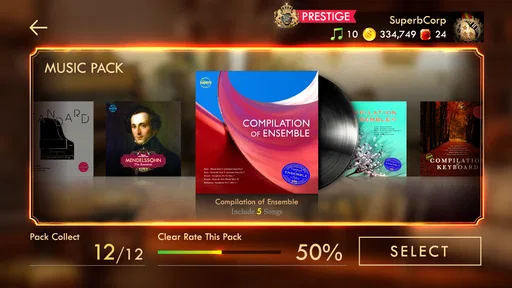
Yes, Pianista includes in-app purchases that can enhance your gameplay experience. You can buy new music packs, skins, and other cosmetic items. However, the game is free to download and offers plenty of content without requiring any purchases, allowing players to enjoy it without spending money.
What devices are compatible with Pianista?
Pianista is compatible with most modern Android and iOS devices. It requires iOS 9.0 or later for Apple devices and Android 4.4 or later for Android devices. For optimal performance, ensure your device meets these requirements and has sufficient storage space for the game and its updates.


